
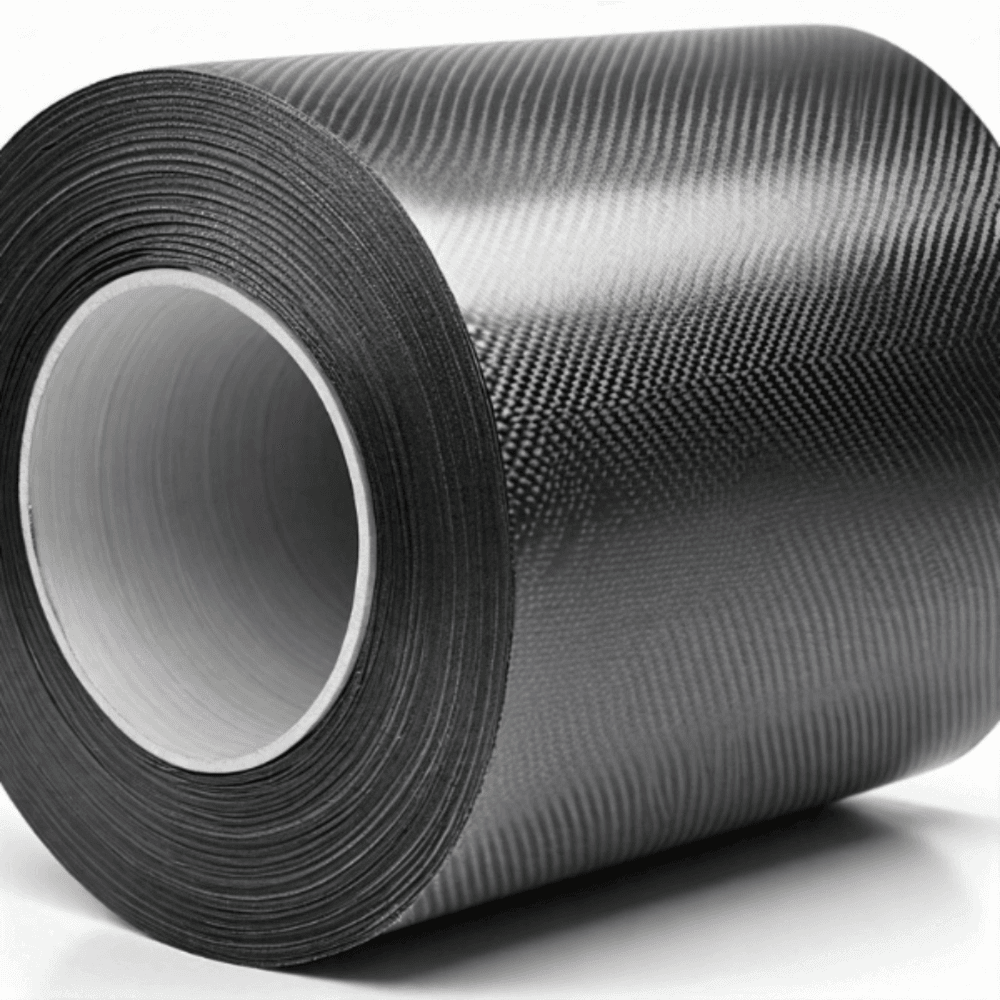
Choosing the right Carbon Fiber Sheet is essential for any strengthening or repair project, especially when structural reliability is a priority. Although many options seem similar, every one behaves differently under load. Therefore, Indian builders and engineers must understand how material grade, direction, and thickness influence performance. With better clarity, decision-making becomes faster, and projects finish with safe, predictable results that last longer in challenging conditions.
Understanding the Carbon Fiber Material Basics
Before selecting a system, it helps to understand how a struct guard carbon Fibre Sheet interacts with reinforced concrete. Since the carbon fiber material relies on high-strength fibres running in defined directions, it performs best when chosen according to load paths. Additionally, because Indian climatic conditions vary greatly, considerations matter even more. Hence, proper product selection ensures long-term power, reduced repair frequency, and improved lifecycle performance for both small and large infrastructure works.
When to Use Different Carbon Fiber Sheet Directions
Engineers often compare struct guard carbon Unidirectional Carbon Fiber Sheet with bidirectional variants before finalising a Carbon Fibre Sheet system. Since unidirectional fibres carry load in one direction, they are ideal for beams and slabs requiring flexural strengthening, making carbon wrapping for slabs a highly effective solution. Additionally, for vertical structural elements, carbon fibre wrapping for column provides enhanced load-bearing capacity and durability. Using advanced carbon fibre column wrap techniques ensures improved structural performance, increased lifespan, and resistance to environmental stress. However, bidirectional sheets handle shear or confinement more effectively. Therefore, understanding the load direction becomes a deciding factor. Using the wrong orientation wastes money, reduces performance, and may require additional retrofitting work later, especially in high-stress environments.
Importance of Carbon Fiber Material Thickness
Project requirements often dictate the thickness of a struct guard carbon fiber sheet, and thickness influences overall strength gain. Because thicker layers provide greater reinforcement, they are ideal for bridges, industrial floors, and structures needing heavy load upgrades. However, engineers must avoid unnecessary over-design. With the right calculations, teams choose a thickness that meets standards without inflating costs, ensuring a balance between structural safety and efficient budgeting.
Evaluating the Right Modulus Level
Another major selection parameter involves deciding between standard-modulus and high-modulus options within a carbon fiber sheet system. Since standard-modulus works well for general RCC strengthening, it fits most building projects across India. However, because high-modulus variants reduce deflection more effectively, they are suitable for long-span beams or sensitive structures. Therefore, understanding stiffness requirements helps engineers match performance needs while maintaining long-term stability under repeated load cycles.
Comparing Carbon Fiber Material Price and Performance
While evaluating choices, Indian buyers often ask about carbon fiber price, since budgets influence material selection. Although low-priced items look attractive, long-term performance should outweigh initial savings. Therefore, comparing certified sheets with non-certified alternatives becomes essential. Because quality directly affects bonding, durability, and structural behaviour, opting for high-grade CFRP systems ensures safety and better lifecycle value. This approach also reduces future repair costs and project downtime.
Considering Carbon Fiber Sheet Installation Methods
Deciding how to apply a struct guard carbon fiber sheet can influence which variant to choose. Because some locations require wrapping, teams may prefer a carbon fiber sheet roll for faster installation. However, flat strip applications suit flexural upgrades on slabs or beams. Since surface preparation standards are strict, trained professionals ensure proper bonding. Therefore, selecting a system compatible with your installation method issues, such as delamination or incomplete strengthening.
Understanding Environmental Conditions
Environmental exposure substantially influences the performance of any struct guard carbon fiber sheet used in Indian construction. Because coastal areas face high humidity and chloride attacks, moisture-resistant adhesive systems become crucial. Meanwhile, industrial zones might also expose materials to chemicals requiring additional protective coatings. Therefore, engineers should always evaluate long-term conditions before choosing between a CFRP sheet, a carbon fiber sheet roll, or stitched variants, depending on practical site conditions. Matching product characteristics with real-world needs always delivers the best outcome.
Project-Specific Requirements
Each structure demands a tailored approach when selecting a struct guard carbon fiber sheet. Since beams, slabs, and columns behave in differently, each one requires targeted strengthening strategies. Additionally, engineers assess load increases, crack patterns, and expected performance improvements before deciding. Therefore, choosing among a CFRP sheet, a carbon fibre sheet roll, or stitched variations depends on practical site conditions. Matching product traits with real international desires always promises fine final results.
Avoiding Common Selection Mistakes
Many teams mistakenly choose a struct guard carbon fibre sheet without analysing fibre direction, thickness, or exposure. Because incorrect choices reduce strength gain, they may require rework. Additionally, selecting materials without checking certification or compatibility with adhesives creates long-term risks. Therefore, engineers should always base decisions on design calculations and performance data. This approach ensures predictable behaviour, safe installation, and consistent results across diverse construction settings.
Frequently Asked Questions
1. What is unidirectional carbon fiber?
Unidirectional (UD) carbon fiber is a unique material where all the carbon fibers are lined up in a single, parallel direction. This specific alignment gives it incredible strength and stiffness in that direction, making it an excellent choice for reinforcing structures like beams, slabs, and columns.
2. How do engineers decide which Carbon Fiber Sheet is suitable?
3. Is Unidirectional Carbon Fiber Sheet better for beams?
4. How does the carbon fiber material price affect selection?
Constro Chem India, One of the leading carbon fibre sheet manufacturer in india offers advanced carbon fiber sheet solutions designed for reliable structural strengthening, retrofitting, and long-term durability. Our sheets provide exceptional tensile strength, lightweight handling, and superior bonding performance, making them ideal for beams, slabs, columns, and other RCC elements. Whether you’re a contractor, engineer, or infrastructure developer, our high-quality material ensures faster installation and improved structural capacity.
For technical guidance, specifications, or project requirements, contact us today to get expert support.