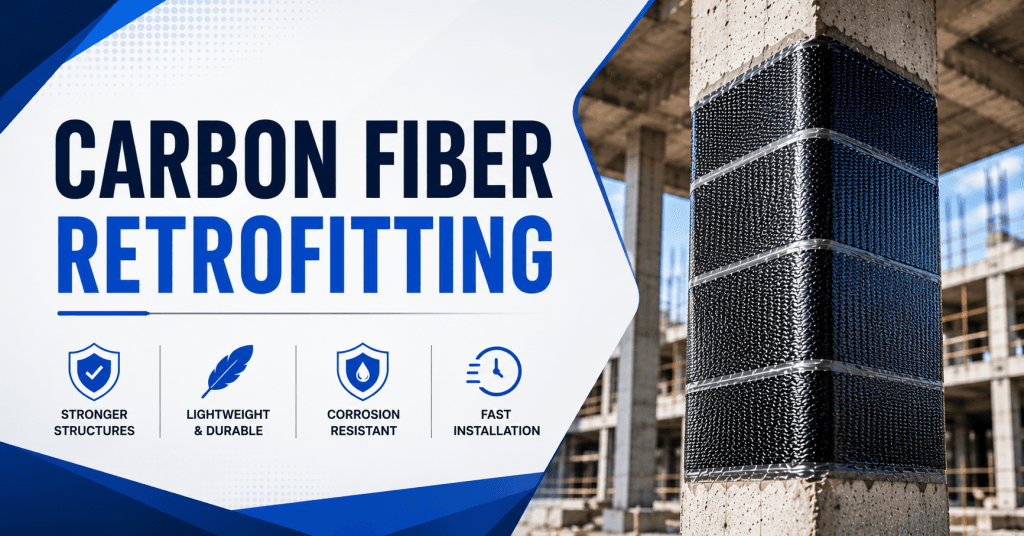
Carbon Fiber Retrofitting: Complete Guide for Structural Strengthening (2026)
Introduction to Carbon Fiber Retrofitting
In today’s construction and infrastructure industry, aging structures, increased load demands, and environmental deterioration are major challenges. This is where carbon fiber retrofitting has emerged as one of the most advanced, efficient, and cost-effective structural strengthening solutions.
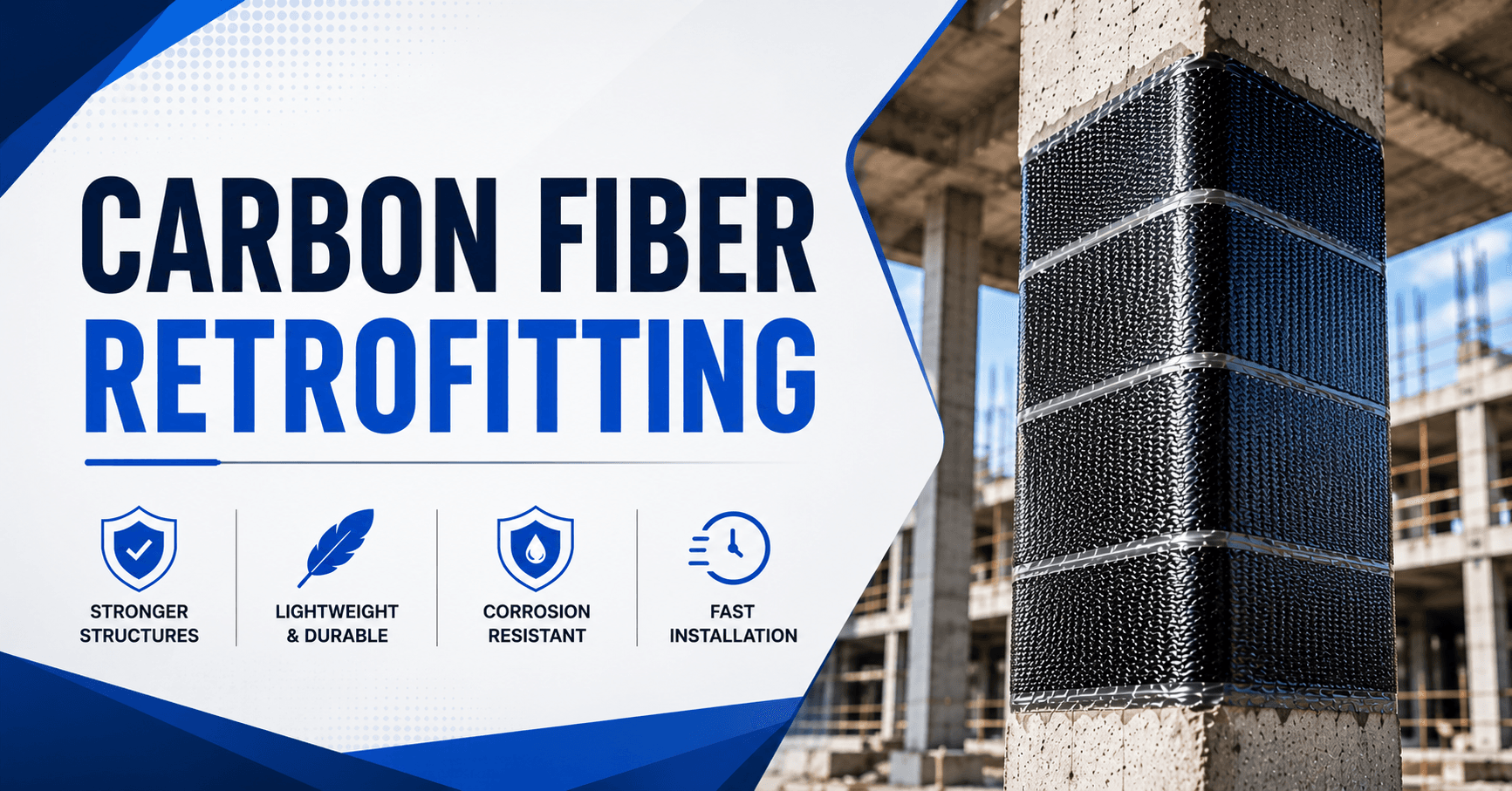
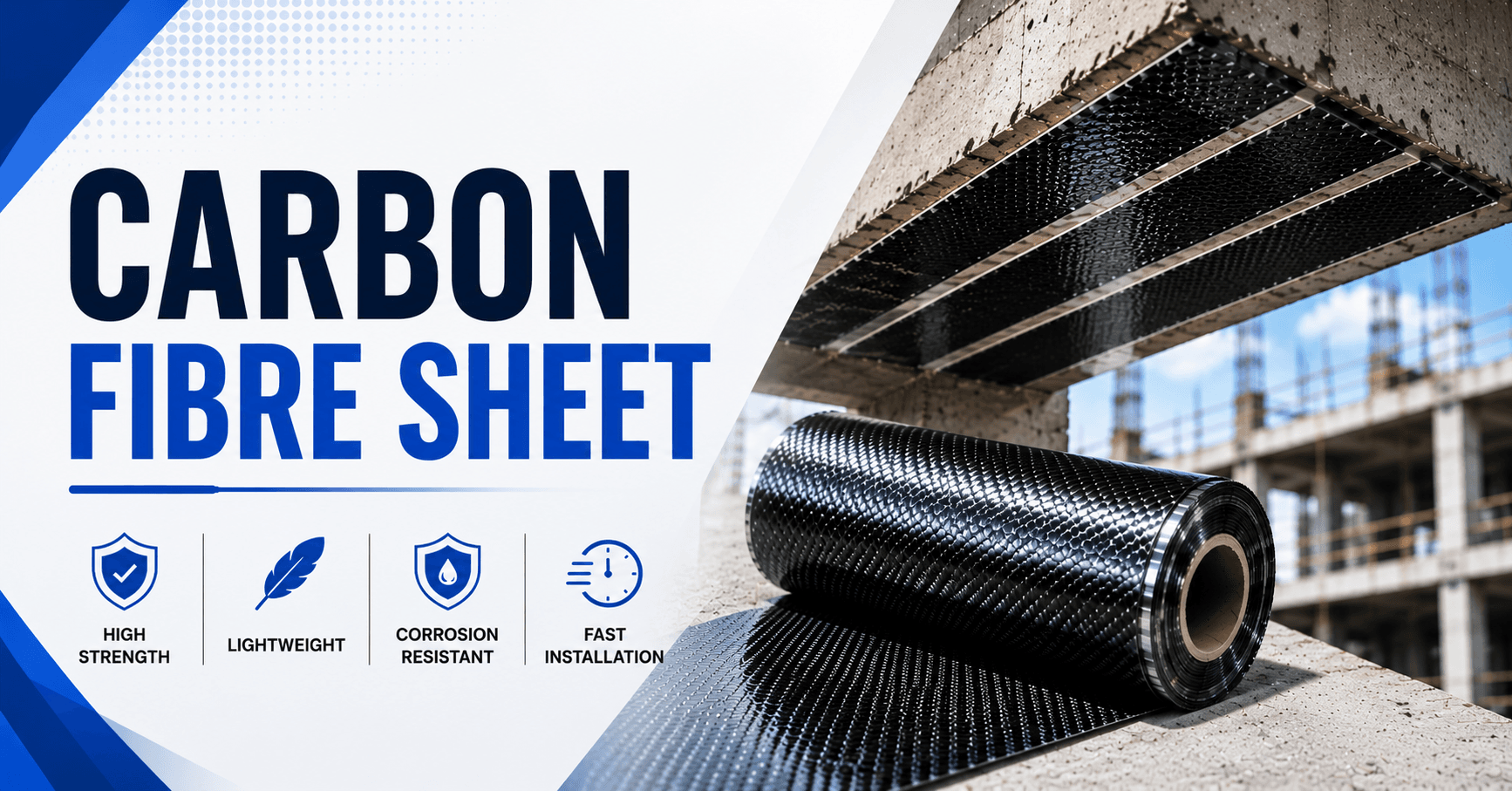
Carbon fiber retrofitting involves the use of Carbon Fiber Reinforced Polymer (CFRP) materials—such as carbon fiber sheets, fabrics, and laminates—to enhance the load-carrying capacity, durability, and lifespan of structures like beams, columns, slabs, and bridges.
With rapid urbanization in India and increasing demand for structural rehabilitation, carbon fiber retrofitting is becoming the preferred technique for civil engineers, contractors, and infrastructure consultants in 2026.
What is Carbon Fiber Retrofitting?
Carbon fiber retrofitting is a structural strengthening method where high-strength carbon fiber materials are externally bonded to existing concrete, steel, or masonry structures using specialized epoxy adhesives.
Key Components
- Carbon fiber sheets (unidirectional/bidirectional)
- Epoxy resin (primer + saturant)
- Surface preparation tools
- Protective coatings
How It Works
Carbon fibers have extremely high tensile strength. When bonded to structural elements:
- They take up tensile stresses
- Reduce cracks and deflection
- Increase load-bearing capacity
- Improve seismic performance
Why Carbon Fiber Retrofitting is Important in 2026
1. Aging Infrastructure
Many buildings and bridges in India are over 20–50 years old and require strengthening.
2. Change in Usage
Structures designed for lower loads are now used for:
- Heavy machinery
- Additional floors
- Commercial conversion
3. Corrosion & Environmental Damage
- Coastal areas (Mumbai, Chennai)
- Industrial zones
- High humidity exposure
4. Seismic Strengthening
Carbon fiber retrofitting significantly improves earthquake resistance.
Benefits of Carbon Fiber Retrofitting
1. High Strength-to-Weight Ratio
Carbon fiber is 10x stronger than steel but extremely lightweight.
2. Minimal Thickness
No major increase in section size, making it ideal for space-restricted areas.
3. Fast Installation
Projects can be completed quickly with minimal downtime.
4. Corrosion Resistance
Perfect for marine and industrial environments.
5. Cost-Effective
Lower labor, faster execution, and long-term durability reduce overall cost.
6. Non-Invasive Solution
No heavy demolition or structural alteration required.
Applications of Carbon Fiber Retrofitting
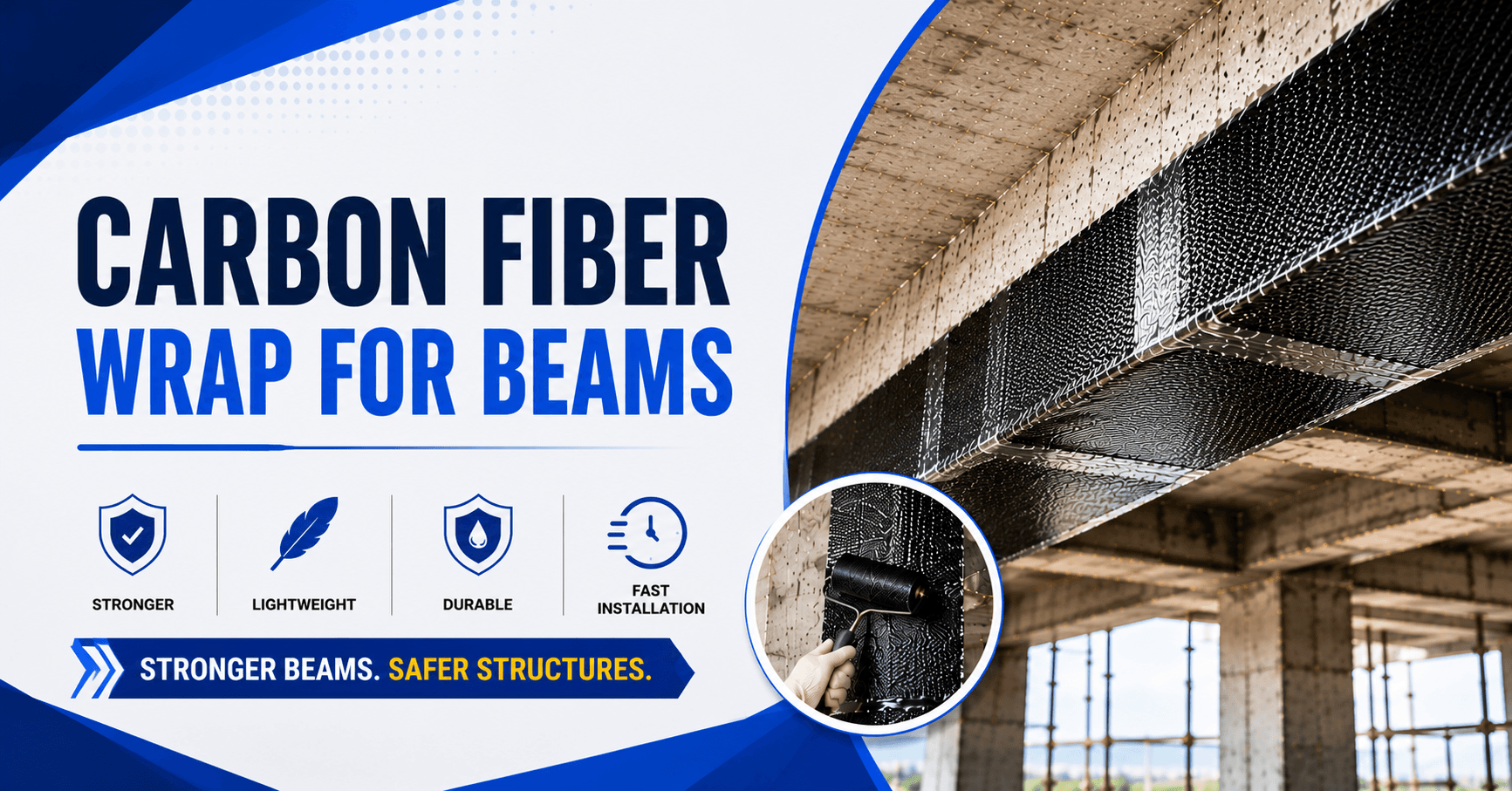
1. Beam Strengthening
- Flexural strengthening
- Shear strengthening
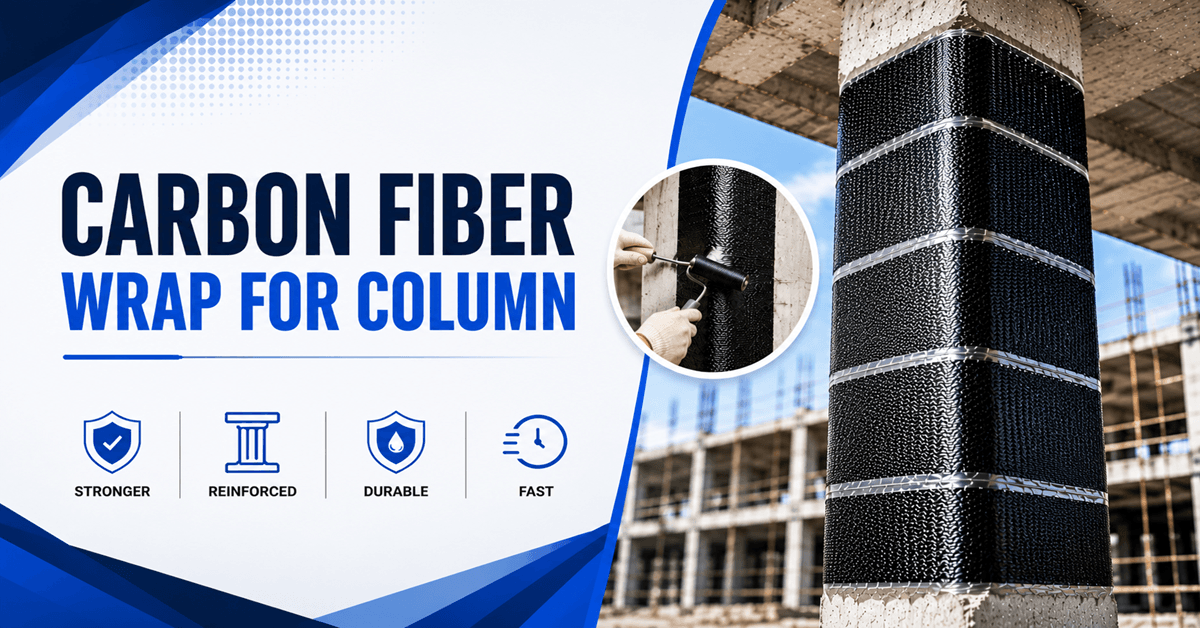
2. Column Strengthening
- Load capacity enhancement
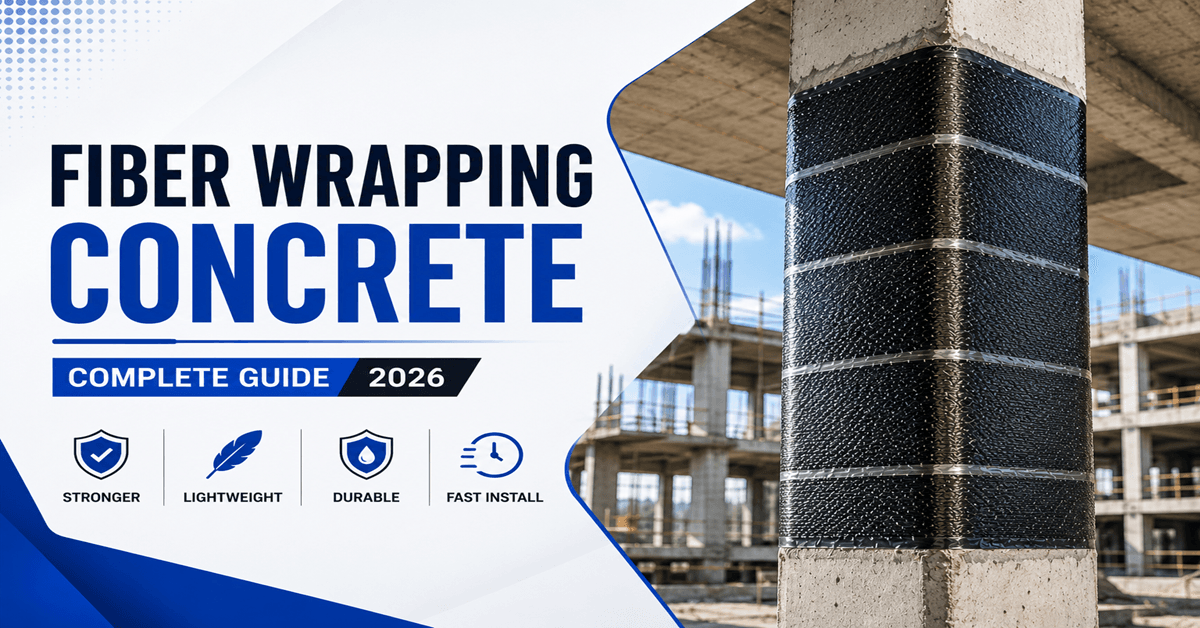
- Seismic retrofitting using wrapping
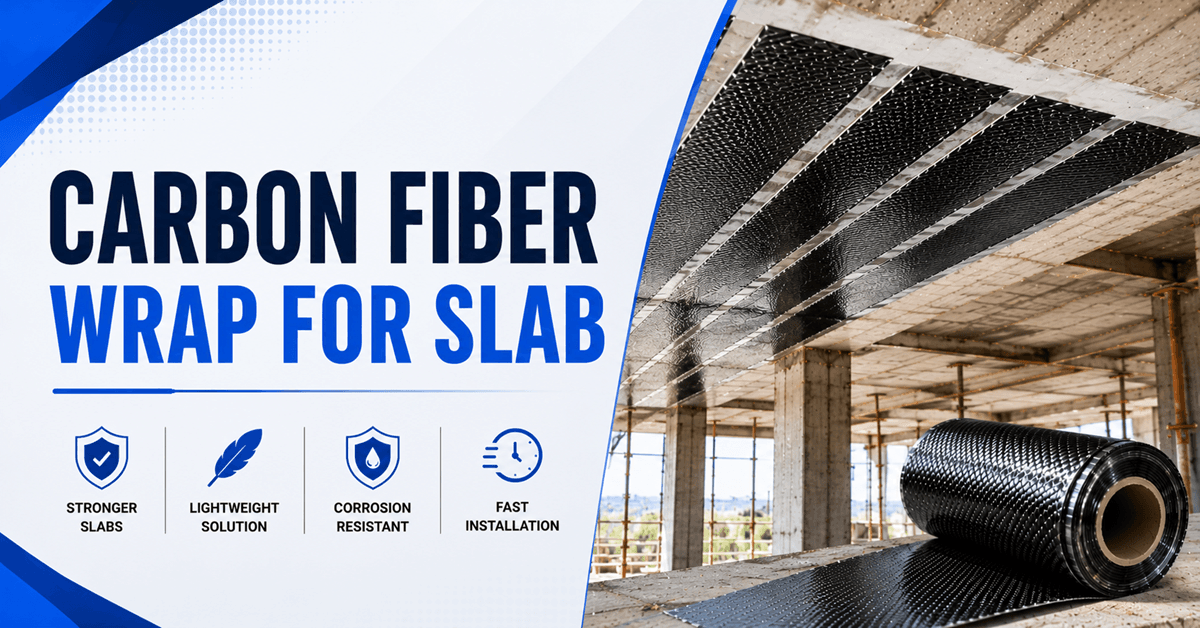
3. Slab Strengthening
- Increased load capacity
- Reduced deflection
4. Bridge Rehabilitation
- Girder strengthening
- Deck reinforcement
5. Industrial Structures
- Chimneys
- Silos
- Tanks
6. Heritage Structures
Non-invasive strengthening without altering appearance
Types of Carbon Fiber Retrofitting Systems
1. Carbon Fiber Wrapping
Used for columns and beams to improve:
- Confinement
- Ductility
- Load capacity
2. Carbon Fiber Sheet Bonding
Applied on surfaces for:
- Flexural strengthening
- Crack control
3. Carbon Fiber Laminates (CFRP Plates)
Pre-cured plates used for:
- Heavy load strengthening
- Bridges and large spans
4. Near Surface Mounted (NSM) System
Carbon rods or strips embedded in grooves:
- Better bonding
- Higher efficiency
Step-by-Step Carbon Fiber Retrofitting Process
1. Structural Assessment
- Load analysis
- Damage inspection
- Design calculations
2. Surface Preparation
- Grinding and cleaning
- Removal of loose concrete
- Crack repair
3. Primer Application
Ensures proper bonding between concrete and epoxy.
4. Epoxy Application
Saturant applied to bond carbon fiber.
5. Carbon Fiber Installation
- Sheet wrapping or plate bonding
- Proper alignment and tension
6. Roller Application
Removes air bubbles and ensures proper adhesion.
7. Curing
Allow epoxy to cure (24–72 hours)
8. Protective Coating
- UV protection
- Fire resistance coating (if required)
Design Considerations for Carbon Fiber Retrofitting
1. Load Requirements
- Dead load
- Live load
- Seismic load
2. Type of Structural Element
Beam, column, slab, or foundation
3. Environmental Conditions
- Temperature
- Humidity
- Chemical exposure
4. Bond Strength
Surface preparation quality is critical
5. Safety Factors
Follow IS codes and international standards (ACI, ASTM)
Carbon Fiber Retrofitting vs Traditional Methods
| Parameter | Carbon Fiber Retrofitting | Steel JacketingHeading 2 | Concrete Jacketing |
|---|---|---|---|
| Weight | Very Light | Heavy | Very Heavy |
| Thickness | Minimal | Medium | High |
| Installation Time | Fast | Moderate | Slow |
| Corrosion | NO | Yes | Yes |
| Maintenance | Low | High | Medium |
| Cost Efficiency | High (long term) | Medium | Medium |
factors affecting Carbon Fiber Retrofitting Cost in India (2026)
Factors Affecting Cost
- Surface condition
- Type of carbon fiber (GSM, modulus)
- Number of layers
- Accessibility
- Labor complexity
Common Mistakes to Avoid
- Poor Surface Preparation
- Incorrect Resin Mixing
- Improper Fiber Alignment
- Skipping Primer
- Using Low-Quality Materials
Quality Checklist for Carbon Fiber Retrofitting
✔ Proper design calculation
✔ Certified carbon fiber materials
✔ Skilled applicators
✔ Controlled environment during application
✔ Post-installation inspection
Future Trends in Carbon Fiber Retrofitting (2026 & Beyond)
- Smart CFRP with sensors
- AI-based structural monitoring
- Hybrid reinforcement systems
- Increased use in residential buildings
- Government infrastructure rehabilitation projects
Why Choose Carbon Fiber Retrofitting Over Alternatives?
Carbon fiber retrofitting stands out due to:
- Superior strength
- Faster execution
- Long lifespan
- Minimal disruption
It is now widely considered the best structural strengthening solution in modern construction.
Conclusion
Carbon fiber retrofitting is revolutionizing the way we repair and strengthen structures. Whether it’s an old building, bridge, or industrial structure, this advanced technique provides unmatched performance, durability, and efficiency.
If you are planning a structural strengthening project in 2026, carbon fiber retrofitting is the smartest and most future-ready solution.
Get Expert Help for Your Project
Looking for carbon fiber retrofitting in India?
High-quality carbon fiber materials
Expert technical guidance
Pan India supply & support
Contact now for project consultation & best carbon fiber price quote